

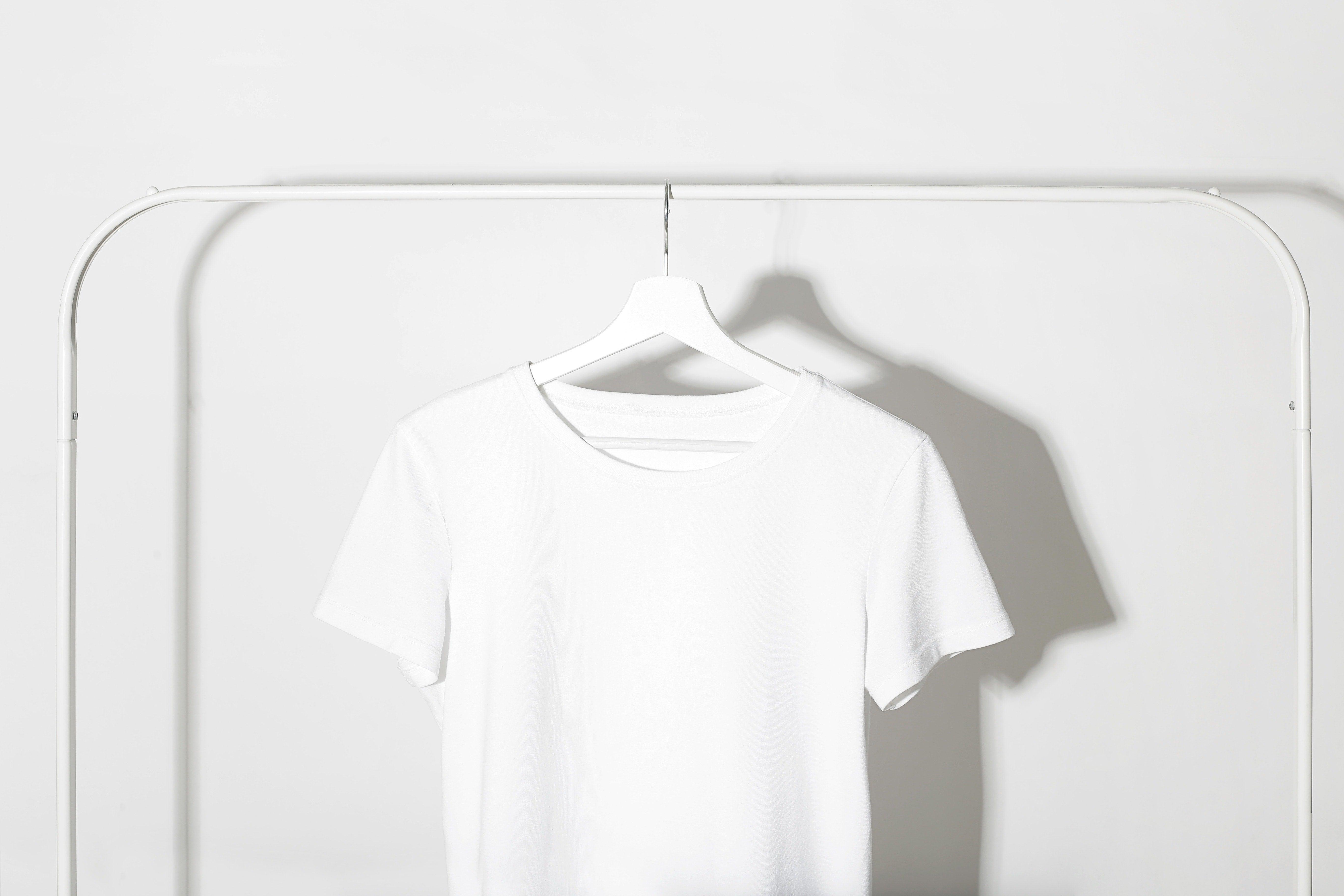
Why T-Shirt Weight Matters: The Impact of Fabric Thickness on Comfort and Durability
When it comes to choosing the perfect t-shirt, most people focus on factors like color, design, and fit. However, one often overlooked aspect that can greatly impact comfort and durability is the weight of the fabric. The thickness of the fabric can make a significant difference in how a t-shirt feels and how long it lasts.
In this article, we will delve into the importance of t-shirt weight and how it affects both comfort and durability. We will explore the different fabric weights available in the market, from lightweight to heavyweight, and discuss the pros and cons of each. Whether you're looking for a t-shirt for everyday wear or for athletic activities, understanding the impact of fabric thickness is crucial in making the right choice.
Factors to Consider When Choosing T-Shirt Weight
Before we dive into the specifics of fabric weight, let's consider the factors that should influence your decision. When selecting the ideal t-shirt weight for your needs, keep the following in mind:
-
Climate and Season: Your choice of fabric weight should be influenced by the climate in your area. Lightweight fabrics are excellent for hot weather, while heavier weights provide warmth during cooler seasons.
-
Intended Use: Are you planning to wear your t-shirt casually, for workouts, or as an undershirt? Different activities may require different fabric weights for optimal comfort.
-
Personal Preference: Everyone has their own comfort preferences. Some individuals prefer the light, airy feel of a lightweight t-shirt, while others may enjoy the substantial feel of a heavyweight one.
The Impact of T-Shirt Weight on Comfort
Comfort is a top priority for most t-shirt enthusiasts. The fabric weight directly influences how comfortable a t-shirt feels against your skin. Here's how:
-
Lightweight T-Shirts (3-4 oz): These t-shirts are perfect for hot weather. They feel breathable and comfortable, making them an excellent choice for outdoor activities and casual wear.
-
Midweight T-Shirts (5-6 oz): This category strikes a balance between comfort and durability. Midweight t-shirts are suitable for year-round wear and offer a good mix of breathability and substance.
-
Heavyweight T-Shirts (7 oz and above): If you're looking for a t-shirt with a substantial, cozy feel, heavyweights are the way to go. They provide excellent warmth and durability, making them ideal for colder climates or as layering pieces.
The Significance of Fabric Thickness in T-Shirt Durability
Durability is another critical factor to consider when selecting a t-shirt weight. The thickness of the fabric directly correlates with a t-shirt's ability to withstand wear and tear. Here's a breakdown:
-
Lightweight T-Shirts: While lightweight t-shirts are incredibly comfortable, they may not be as durable as their heavier counterparts. They are more prone to wear and tear, making them ideal for occasional wear.
-
Midweight T-Shirts: These t-shirts strike a balance between comfort and durability. They can handle regular wear and washing without losing their shape or quality.
-
Heavyweight T-Shirts: Heavyweight t-shirts are built to last. They are sturdy and can withstand the rigors of frequent use, making them an excellent choice for those seeking long-lasting garments.
Different T-Shirt Weight Categories and Their Characteristics
To help you make an informed choice, let's take a closer look at the different t-shirt weight categories and their unique characteristics:
-
Lightweight (3-4 oz):
- Ideal for hot weather.
- Provides breathability.
- Less durable but extremely comfortable.
-
Midweight (5-6 oz):
- Suitable for year-round wear.
- Offers a balance of comfort and durability.
- Versatile and can handle regular use.
-
Heavyweight (7 oz and above):
- Provides exceptional warmth and durability.
- Perfect for colder climates and frequent wear.
- Has a substantial, cozy feel.
Popular T-Shirt Weight Options for Different Purposes
Your choice of t-shirt weight should align with your intended use. Here are some popular t-shirt weight options for various purposes:
-
Casual Wear: Midweight t-shirts strike the perfect balance, offering comfort and durability for everyday use.
-
Athletic Wear: Lightweight t-shirts are excellent for workouts due to their breathability, while heavyweights offer warmth during outdoor activities in colder weather.
-
Layering: Choose t-shirt weights based on the season. Lightweight t-shirts work well as base layers in hot weather, while heavyweights provide insulation in colder months.
How to Determine the T-Shirt Weight That Suits Your Needs
Finding the right t-shirt weight for you involves assessing your personal preferences, the climate you live in, and the activities you plan to engage in while wearing the t-shirt. Experiment with different weights to discover what suits you best.
Tips for Caring for T-Shirts of Different Weights
Taking care of your t-shirts, regardless of their weight, is essential for prolonging their lifespan. Follow these general tips:
-
Read Care Labels: Always follow the care instructions on the label to prevent damage during washing and drying.
-
Separate Colors: Separate light and dark-colored t-shirts to avoid color bleeding.
-
Avoid Overloading: Don't overcrowd the washing machine, as it can lead to friction and damage to the fabric.
-
Use Gentle Detergents: Opt for mild, color-safe detergents to preserve the fabric's quality.
-
Line Dry: Whenever possible, line-dry your t-shirts to prevent excessive wear from high heat in dryers.
How T-Shirt Fabric Weight Gets Measured
Fabric weight comes in two common systems. One uses ounces per square yard. The other relies on grams per square metre. Both systems help describe the density of the knit.
Ounces give a quick idea of thickness. Grams per square metre offers a precise view across international brands. The measurement takes a standard area of fabric and weighs it. Higher numbers mean denser material.
This detail helps makers select the right base for each design. It also guides how the finished piece will handle over time in pieces from the Casualist Drop collection.
T-Shirt Weight and Its Effect on Print Quality
Screen printed designs look different based on the base fabric weight. Heavier fabrics hold ink with greater stability. The surface stays flat and accepts detail well.
Lighter fabrics can require special techniques for the same sharp results. The Good Enough Tee uses a weight that supports clear prints on organic cotton.
Such choices appear in the broader Casualist Drop collection. They ensure the artwork lasts through regular wear.
The knit structure plays a part too. It interacts with the ink to create a smooth finish, as seen in items like the Dress Code Mockneck Tee.
Conclusion: Finding the Perfect Balance Between Comfort and Durability
In the world of t-shirts, the weight of the fabric is a critical factor that directly influences your comfort and the garment's durability. By understanding the impact of fabric thickness and considering your specific needs, you can make informed choices that enhance your overall wearing experience.
So, whether you're seeking a lightweight tee for a scorching summer day, a midweight staple for everyday wear, or a heavyweight champion for cold winters, your choice of t-shirt weight matters. It's the key to finding that perfect balance between comfort and durability, ensuring your t-shirt collection stands the test of time. Make your next t-shirt purchase with confidence, armed with the knowledge of why t-shirt weight truly matters.
FAQ
What does t-shirt fabric weight actually represent?
T-shirt fabric weight reflects how substantial the material feels against the skin during extended wear. It affects the way the garment hangs and moves with everyday motions. This aspect contributes to overall comfort in different environments and activities.
The density level also plays into how the fabric resists wrinkling after folding or packing. Many prefer specific weights for particular seasons based on personal comfort needs.
Why do manufacturers use different measurement systems for fabric weight?
Different regions developed their own standards over time for consistency in local production. These systems allow clear communication between suppliers and brands worldwide. Understanding both approaches helps appreciate the care that goes into garment development.
Global supply chains rely on standardised references to maintain quality control. The Casualist team applies these principles when developing new golf T-shirts for the Casualist Drop collection. This ensures reliable results across all apparel items including premium organic cotton tees.
Does t-shirt weight affect the opacity of the fabric?
Fabric weight directly influences light transmission through the garment. Higher density materials reduce see-through effects, especially important for lighter colour options. This property maintains a clean appearance in layered outfits.
What role does organic cotton play in t-shirt weight choices?
Organic cotton brings natural softness that complements various fabric weights beautifully. It maintains breathability even in denser constructions suitable for cooler conditions. The fibre choice supports comfort across seasons.
Growers focus on sustainable practices that align with quality-focused brands. This material ages gracefully while preserving its initial characteristics. The Good Enough Tee and Dress Code Mockneck Tee incorporate organic cotton thoughtfully across multiple apparel styles.
Read more

Spring has returned to Melbourne, and with it comes the perfect opportunity to dust off your tennis gear, tune in to some thrilling US Open finals, grab a friend, and hit the courts! But that's no...
In the era of fast fashion, where trends come and go in the blink of an eye, it's time for us to embrace a more sustainable approach to our wardrobe. And what better way to do it than by donning or...
